Empower for women and child development Inclusive & Accessible
LATEST UPDATES
Empower for women and child development
Women and Child Development

ABOUT US

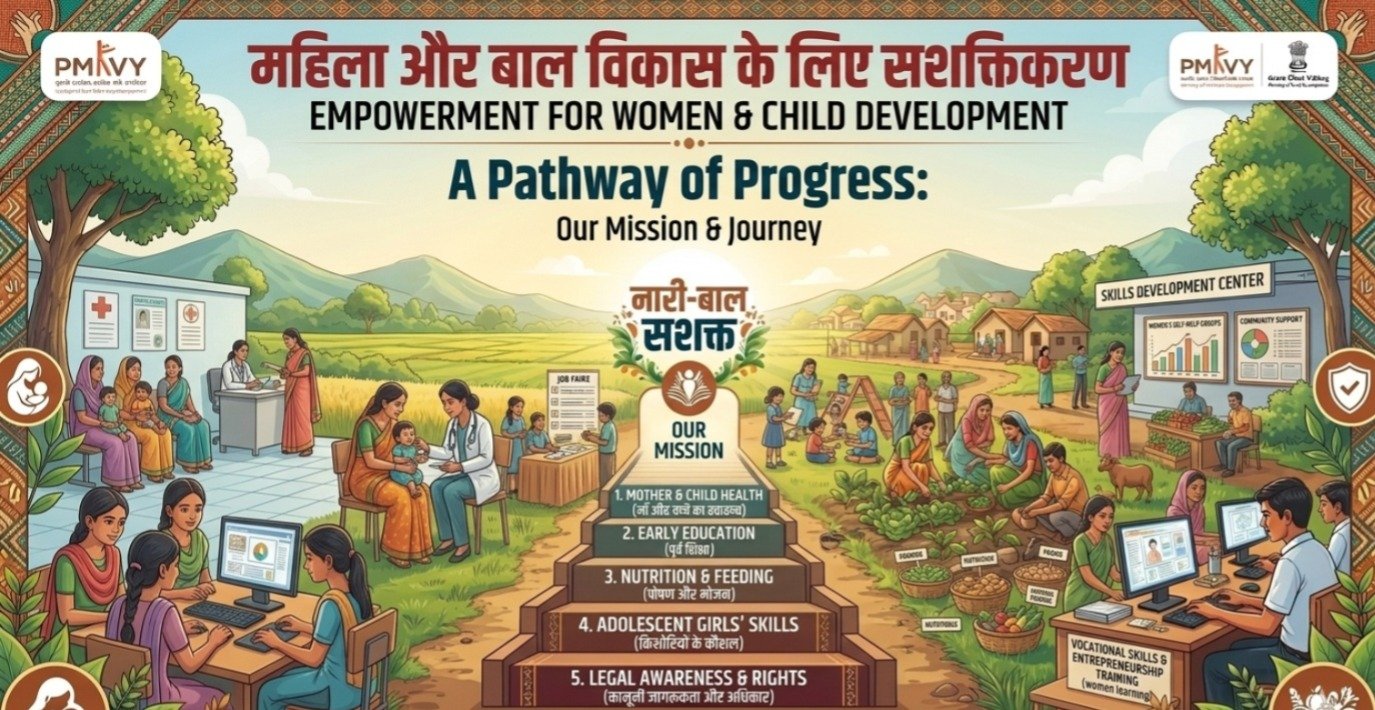
Empower for Women and Child Development is a critical pillar for the social and economic progress of any nation. In India, the Ministry of Women and Child Development (MWCD) formulates plans, policies, and programs, while various non-governmental organisations (NGOs like EMpower) implement grassroots initiatives.

Here is a comprehensive breakdown of the core pillars, key government schemes, and the role of NGOs in this sector. Our platform serves as a bridge, connecting women and caregivers with meaningful opportunities while ensuring full support for childcare and safe workplaces.
Schemes for Women & Child

Integrated Child Development Service Scheme

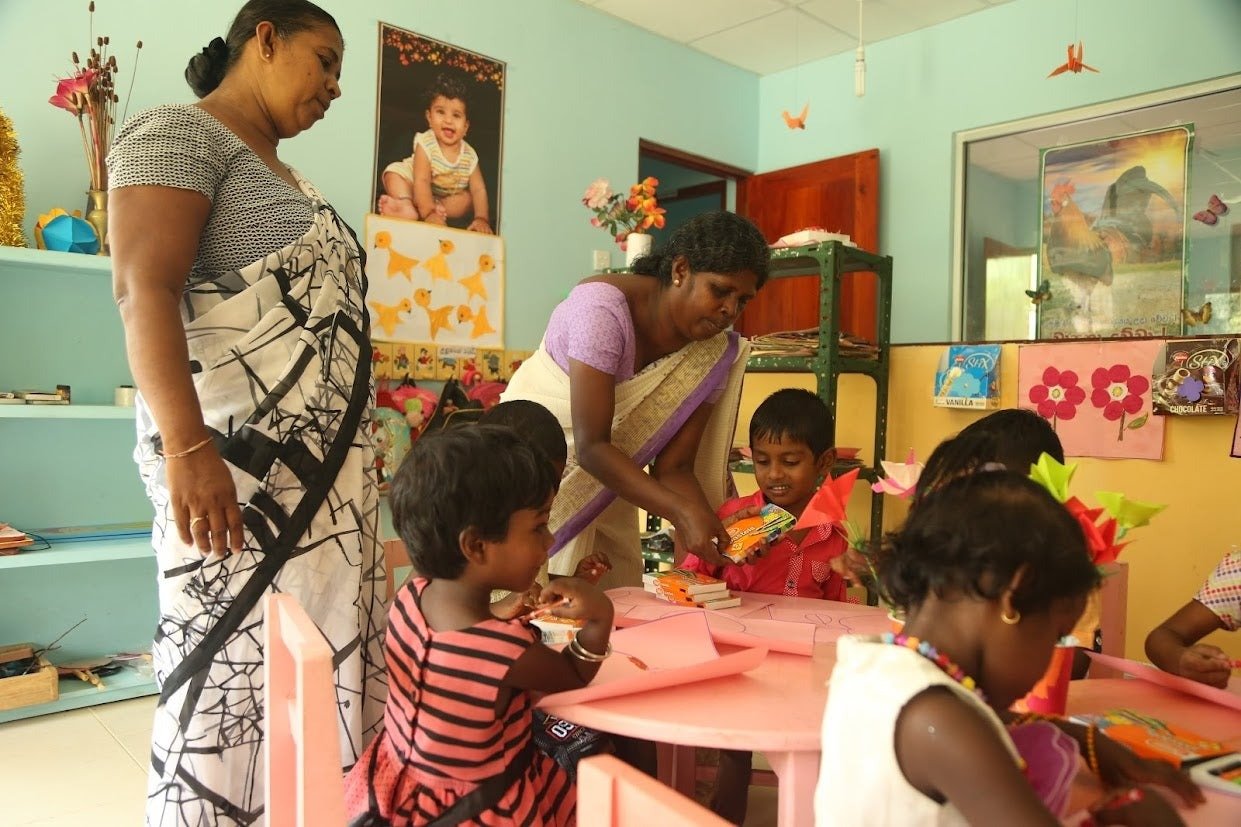
Provides supplementary nutrition, immunization, and pre‑school education to children under 6 years and pregnant & lactating mothers.

Operates through a network of Anganwadi centres across the country, ensuring holistic early childhood care.

Women Welfare Scheme

Offers financial assistance, legal aid, and shelter to women in distress, including widows, destitute, and survivors of violence.

Focuses on rehabilitation, skill training, and creating a safe environment for vulnerable women.

Stree Shakti & Gurha Laxmi Scheme

Empowers women through self‑help groups, entrepreneurship training, and easy access to micro‑credit.

Encourages rural women to start their own businesses and achieve economic self‑reliance.

Correctional Institutional & Child Welfare Scheme

Provides care, protection, and rehabilitation for children in conflict with law and those in need of care & protection.

Supports observation homes, special homes, and after‑care programs to reintegrate children into society.

Women Empowerment & Skill Development

Moving from basic charity to sustainable economic independence – when a woman gains skills, she lifts entire communities.

Digital literacy training for women

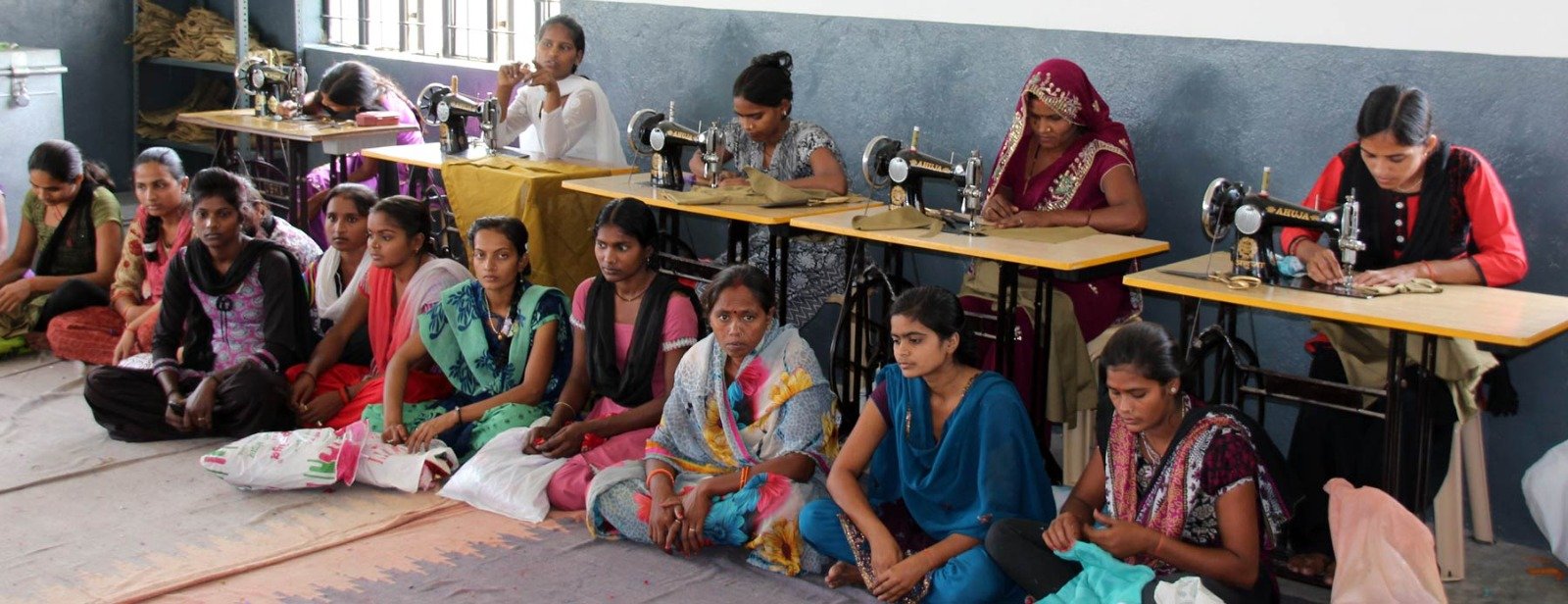
1. Market‑Aligned Skill Training

Traditional programs limit women to low‑paying skills. We shift training toward high‑value, modern industries to unlock real economic power.
  • Digital Literacy: Computer basics, e‑commerce, data entry, digital marketing — enabling work from home or local hubs.
  • Non‑Traditional Trades: Breaking stereotypes — mobile repair, solar engineering, delivery executives, professional drivers.
  • Financial & Legal Literacy: Bank accounts, UPI, savings, loan management, and labour rights awareness.
Safe transport and childcare for women

2. Overcoming Structural Barriers

A woman cannot use her skills if her environment does not support her. We build a safe ecosystem that removes obstacles to learning and working.
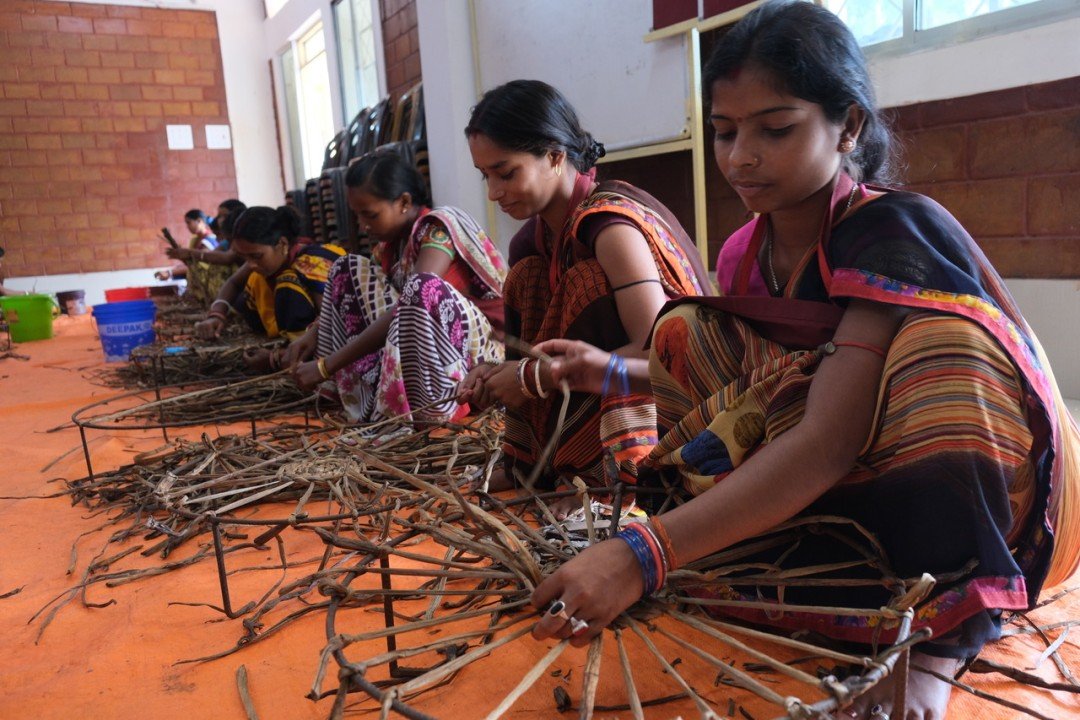
  • Safe Transport: Subsidised, dedicated public transport to training centres and workplaces.
  • Affordable Childcare: Community crèches near training institutes so mothers can learn without worry.
  • Flexible Learning: Hybrid, evening, and weekend classes to accommodate household responsibilities.
Women entrepreneurs at market

3. Creating Employment & Entrepreneurship Pathways

Skill training must be directly linked to income generation — from micro‑businesses to corporate apprenticeships.
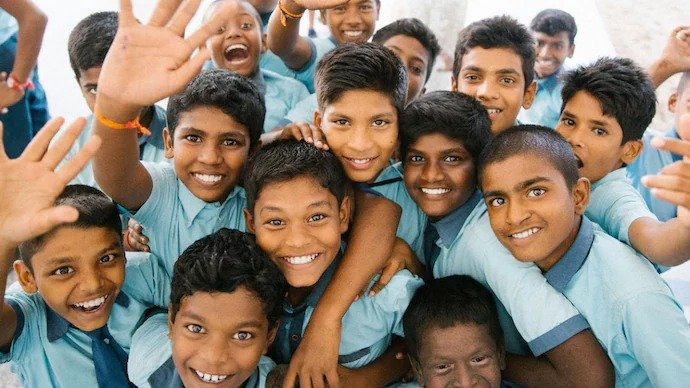
  • Self‑Help Groups & Micro‑Loans: Access to government MUDRA loans with no collateral requirement.
  • Market Integration: Partnerships with Amazon Saheli, Flipkart Samarth to sell products globally.
  • Corporate Apprenticeships: Guaranteed internships and placements immediately after training.
Community sensitization workshop

4. Engaging the Community & Men

True empowerment requires changing social mindsets — we involve families and communities from the start.

  • Sensitization Workshops: Campaigns involving male family members to show how a woman's income benefits the entire household.
  • Mentorship Networks: Connecting young trainees with successful female mentors from their own communities to build confidence and offer career guidance.
Happy family with improved livelihood

How This Develops Society

When women are economically empowered, the ripple effects transform families, communities, and nations.

  • Breaks the Poverty Cycle: Dual‑income households can afford better nutrition, healthcare, and education for children.
  • Reduces Social Evils: Financially independent women have a stronger voice — reducing domestic violence, child marriage, and female foeticide.
  • Boosts the National Economy: Closing the gender employment gap can add trillions of dollars to global and national GDPs.

Child Care & Development

Early childhood investment builds the foundation for a healthier, more equitable society.
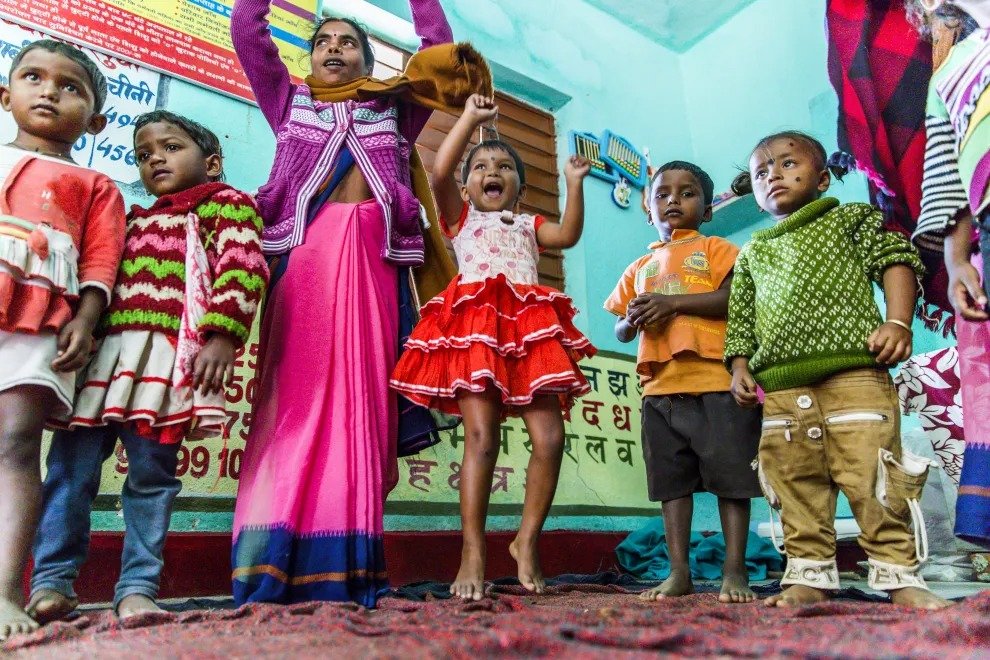
Child development

Core Pillars of Development

Four interconnected domains build the foundation for lifelong well‑being.
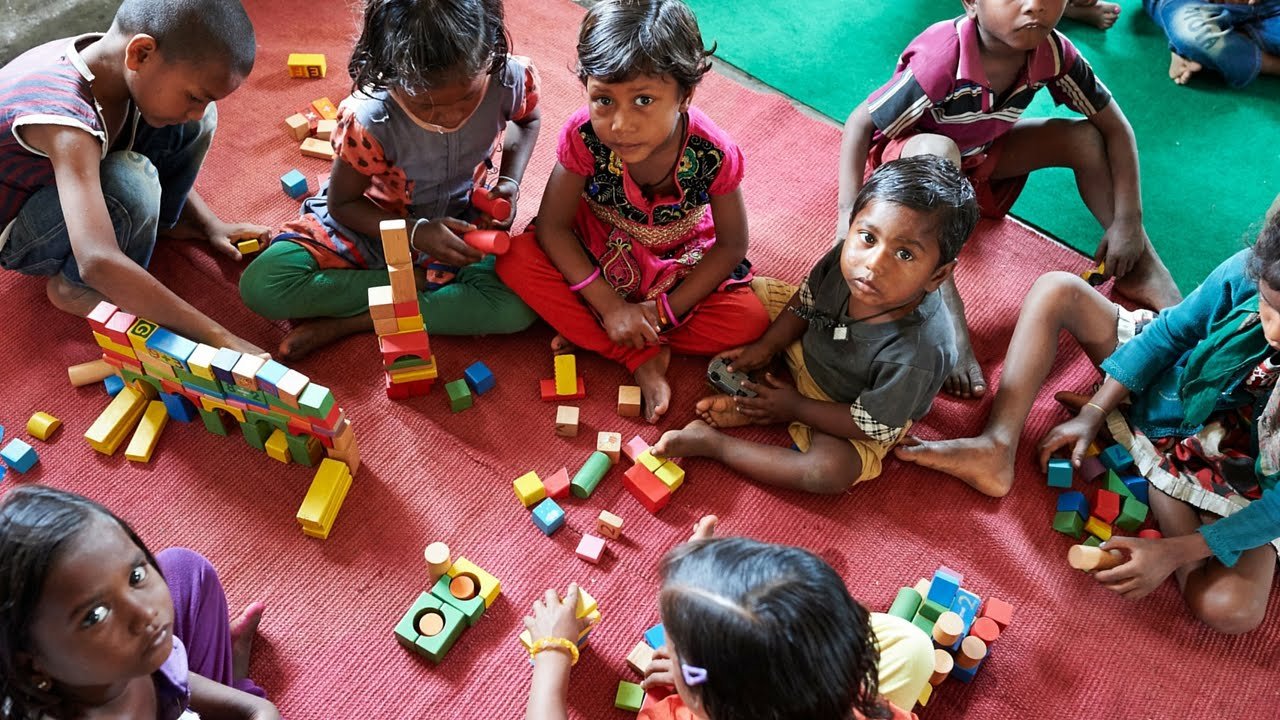
  • Physical: Motor skills & growth
  • Cognitive: Memory, problem‑solving
  • Social‑Emotional: Empathy, relationships
  • Language: Speaking, reading, cues
Nurturing care

Nurturing Care & Learning

A protective, loving environment from birth ensures optimal brain development.

  • Secure Bonding: Reduces toxic stress
  • Play‑Based ECE: Builds curiosity & social skills
  • Vaccines: Timely immunization for growth
  • Nutrition: First 1,000 days are critical
Malnutrition crisis

Malnutrition & Brain Stunting

Malnutrition causes permanent, intergenerational damage to brain development.

  • First 1,000 Days: Nutrition deprivation causes irreversible stunting
  • Cycle of Poverty: Undernourished mothers → low‑birth‑weight babies
  • Economic Loss: Stunted adults earn up to 20% less
Children playing

Transforming Society

Systematic child care strengthens economies and communities.

  • Lower Healthcare Costs: Prevention reduces adult diseases
  • Women's Employment: Affordable childcare enables workforce participation
  • Reduced Crime: Early support lowers future delinquency

Employment Notification Board

Government of India · Upcoming Job Notifications

View All Notifications